DIY or Contractor? Breaking Down the Costs, Benefits, and Outcomes
Every homeowner, at some point, stands at the crossroads of a renovation or repair project in Rhode Island asking the age-old question: DIY or Contractor? It’s a dilemma fueled by a mix of factors: budget constraints, the desire for personal involvement, or simply the thrill of taking on a challenge. In this article, we’ll dissect the pros and cons of both approaches, looking beyond just the surface and diving deep into costs, outcomes, and the intangible benefits of each path.
The Financial Aspect
At first glance, the allure of DIY projects often stems from perceived cost savings. Without labor costs, the initial outlay can indeed seem more palatable. But, as any seasoned homeowner might tell you, there’s more to the story.
Initial Costs
DIY projects involve the expense of materials, tools, and sometimes even learning resources. Sure, there’s no contractor’s bill to pay, but the costs can add up, especially if specific tools or equipment are needed for just one project.
Hidden Costs & Potential Overruns
Mistakes are a natural part of the learning process. However, in DIY, errors can translate to wasted materials and the need to repurchase. Additionally, projects can unearth unexpected challenges – be it a hidden water leak or an electrical issue. Without a set contract, these surprises can inflate the budget significantly.
Long-Term Value & Potential ROI
While upfront costs of renovations in Rhode Island are one side of the coin, the long-term value of the work is the other. A project done without expertise may need repairs or updates sooner, diminishing the return on investment. In contrast, a professional contractor often ensures durability, adding lasting value to the property.
In the financial debate of “DIY or Contractor,” it’s crucial to look beyond the initial price tag and consider the entire lifecycle of the project.
Skill and Expertise
One of the most significant differentiators between a DIY project and one overseen by a contractor lies in the realm of skills and expertise.
Skill Requirements for DIY
Tackling a project on your own demands a range of skills, from the basic, like measuring and cutting, to the more complex, like plumbing or electrical work. And while online tutorials and DIY books can be helpful, they often can’t replicate years of hands-on experience. There’s a steep learning curve, and not every homeowner is prepared for it.
Contractor Expertise
Professional contractors in Rhode Island bring years, sometimes decades, of experience to the table. This expertise means they can anticipate challenges, employ best practices, and ensure that the work adheres to local building codes. Their trained eye can spot issues that might be overlooked by a DIY enthusiast, ensuring the end result is not only aesthetically pleasing but also structurally sound.
In the “DIY or Contractor” debate, it’s essential to assess one’s own skill set honestly. While the DIY route can offer a sense of accomplishment, it’s equally important to recognize when a task is beyond one’s depth and might benefit from professional input.
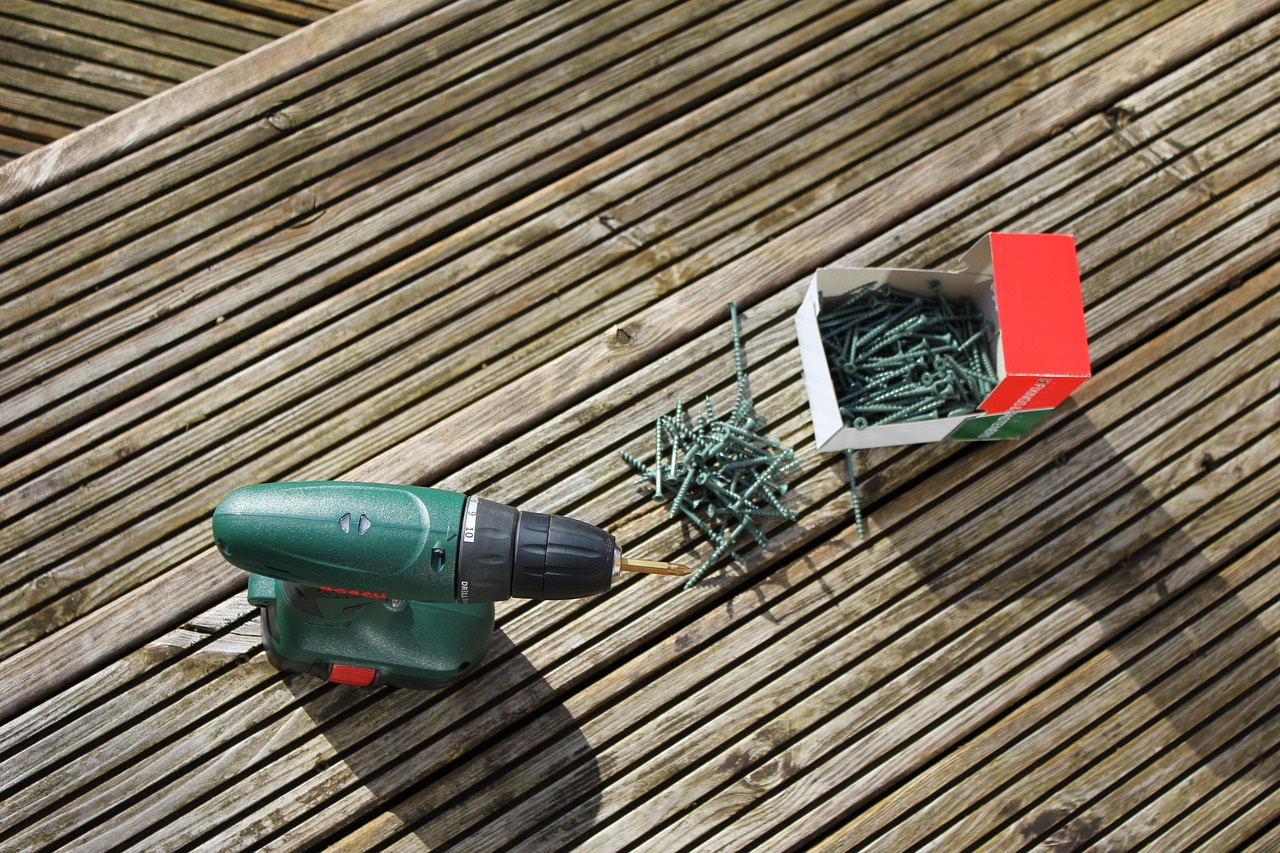
DIY or Contractor – The Time Investment
Time, as they say, is money. And when it comes to home projects, the investment of time can often tip the scales in the “DIY or Contractor” debate.
Time Commitment for DIY
A project that might take a professional a day or two can stretch into weeks for the uninitiated. DIY means not just doing the work but also spending time planning, sourcing materials, and in many cases, learning as you go. The bigger the project, the more pronounced this time discrepancy becomes.
Efficiency of Professional Contractors
Professionals bring efficiency born out of routine. They have a structured approach, from planning to execution, ensuring projects stay on track. Plus, with a team at their disposal, contractors can often multitask, speeding up project timelines.
Another factor to consider is the potential downtime for a living space during a DIY project. If a kitchen or bathroom is out of commission, it can disrupt daily life, adding stress to the already challenging task of renovation.
When considering “DIY or Contractor,” it’s crucial to not only think of the clock hours invested but also the potential disruption and the value of one’s own time.
End Results & Quality
Every homeowner embarking on a project has a vision in mind. The end result – its quality, aesthetics, and durability – plays a significant role in the satisfaction derived from the endeavor.
DIY Outcomes
While the DIY route provides a unique sense of ownership and achievement, it might come with its set of challenges in terms of finish. Without the seasoned expertise of a professional, there might be inconsistencies in the quality, alignment issues, or even overlooked structural elements. The longevity of DIY projects can sometimes be questionable if not executed with precision.
Professional Contractor’s Touch
Contractors, with their wealth of experience, bring a level of finesse to the table. Their work is often marked by uniformity, attention to detail, and adherence to industry standards. The durability of professionally executed projects typically ensures homeowners don’t have to revisit repairs or updates for a long time. Additionally, many contractors offer warranties or guarantees, providing an added layer of assurance.
The “DIY or Contractor” decision often boils down to the desired quality of the outcome. While DIY offers the pride of personal accomplishment, hiring a contractor often ensures a polished, long-lasting finish.

The Intangibles
Beyond the evident metrics of cost, time, and quality, there are intangible factors that play into the “DIY or Contractor” decision. These are the emotional and psychological aspects that can’t be measured in dollars or hours but are equally impactful and stressful.
Satisfaction from DIY
For many, the act of creating or fixing something with their own hands brings unparalleled satisfaction. There’s a profound sense of pride in seeing a tangible result of one’s labor, in learning new skills, and in overcoming challenges. This emotional payoff can sometimes outweigh any imperfections in the final product.
Peace of Mind with a Contractor
On the flip side, entrusting a project to a seasoned professional brings its own set of emotional rewards. There’s peace of mind in knowing that the job will be done right, that potential pitfalls will be navigated expertly, and that the end result will be up to industry standards. Furthermore, warranties or guarantees that come with professional work offer added security.
It’s essential to understand one’s own priorities and emotional drivers when choosing between DIY and hiring a contractor. Some may value the learning journey and personal accomplishment, while others might prioritize stress-free execution and guaranteed results.
More Comfortable with A Rhode Island Contractor?
The “DIY or Contractor” question isn’t one with a one-size-fits-all answer. Each homeowner’s situation, skillset, goals, and priorities are unique, and what works for one might not work for another. It’s about understanding your comfort levels, the intricacies of the project at hand, and what you hope to achieve.
If you’re in search of that personal touch and are ready for a bit of a learning curve, the DIY route can be incredibly rewarding. However, if you’re looking for professional quality, efficiency, and the assurance of expertise, bringing in a contractor in Rhode Island might be the best bet.
In either scenario, the aim remains the same: to enhance and elevate your living space, making it a true reflection of your tastes and lifestyle. Whether you pick up the tools yourself or entrust them to a professional like Ray’s Carpentry and Home Improvements, the journey of home improvement is always one of transformation and growth.